
 Back to latest news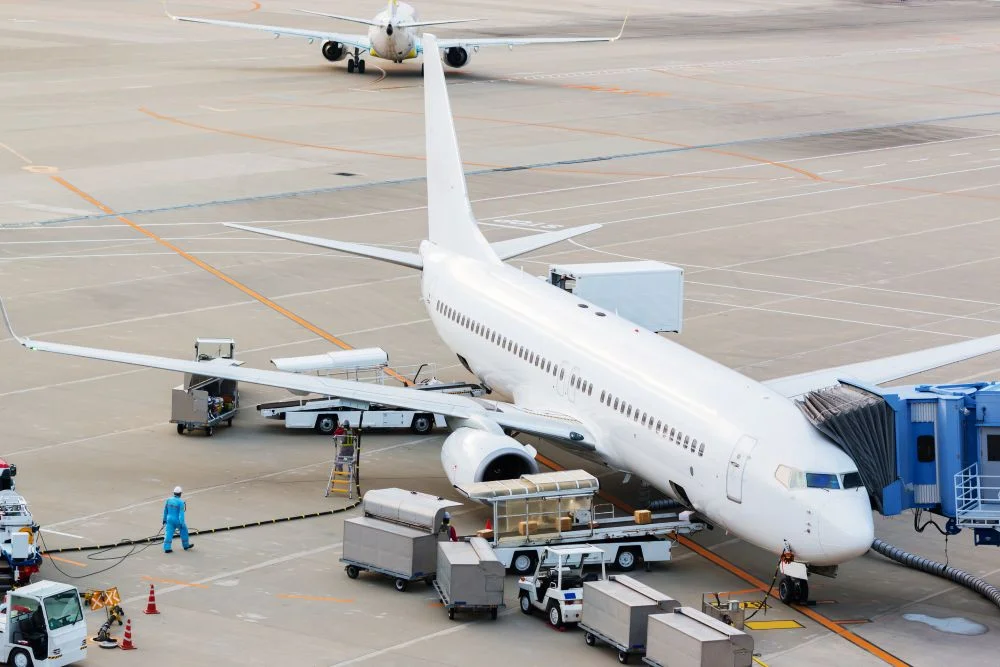
Airports are moving fast toward electrification. And while most teams know what equipment they need on the ramp, many still struggle with how to power it efficiently.
Understanding the types of electrical ground support equipment and how each one operates is the difference between smooth uptime and constant charging headaches. When power and charging strategies align with how equipment is actually used, fleets run longer, charge smarter, and scale with confidence.
That’s exactly what we help you do.
What Is Electrical Ground Support Equipment (eGSE)?
Electrical ground support equipment, often called electric ground support equipment or airport ground support equipment, includes the vehicles and tools that support aircraft operations without burning fossil fuels.
This equipment reduces emissions, cuts ramp noise, and lowers operating costs compared to diesel alternatives. But as fleets electrify, power strategy becomes just as important as the equipment itself. Batteries, chargers, and infrastructure all play a role in keeping eGSE moving.
To see the full range of options we support, explore our complete lineup of eGSE power and charging solutions.
Common Types of Electrical Ground Support Equipment
There are several core eGSE equipment types used across airports today. Each operates differently and places unique demands on batteries and charging systems.
Common types of electrical ground support equipment include:
- Baggage and cargo tugs moving loads across the ramp
- Belt loaders supporting fast turnarounds at the gate
- Cargo loaders handling heavier, higher-duty cycles
- Service vehicles for cabin, catering, and maintenance support
These categories may all be electric, but they don’t behave the same way. Duty cycle, parking location, runtime, and charging windows vary, and that directly impacts how each should be powered.
How to Power Different eGSE Categories
Choosing the right electric GSE power solutions starts with understanding how equipment is used, not just what it is.
Some equipment benefits from high-capacity lithium-ion batteries that support opportunity charging and long runtimes. Others operate better with industrial battery solutions designed for steady, predictable use.
For many fleets, lithium-ion systems like Flux Power lithium batteries offer faster charging, higher efficiency, and reduced maintenance. In other cases, proven industrial options such as DEKA industrial batteries remain part of the mix.
There’s no one-size-fits-all answer. The right battery choice reduces downtime, extends equipment life, and keeps operations predictable.
Charging Solutions for eGSE Fleets
Powering eGSE doesn’t stop at the battery. Charging strategy is what keeps fleets running day after day.
Effective GSE charging solutions depend on fleet size, ramp layout, and how equipment moves throughout the day. Some airports rely on fixed charging stations in centralized areas, while others need flexibility across wide or changing ramp environments.
Systems like PosiCharge fast charging support high-throughput operations where equipment cycles frequently. For added flexibility, mobile options such as the Averest Ramp Runner mobile eGSE charging cart allow teams to bring power directly to equipment wherever it’s parked.
Most successful fleets use a mix: fixed where operations are centralized, mobile where flexibility matters.
How to Plan Power Strategy as eGSE Fleets Scale
As airports add more electric ground support equipment, early decisions compound quickly.
Fleet size, duty cycle, parking patterns, and future expansion all affect infrastructure planning. Smaller fleets often prioritize flexible charging, while larger operations benefit from permanent infrastructure built to scale.
The key is planning ahead. When power strategy grows alongside fleet adoption, airports avoid bottlenecks, reduce retrofits, and maintain consistent uptime.
That’s why we design complete eGSE ecosystems: batteries, chargers, and infrastructure that work together instead of forcing you into a single approach.
Build for Today, Scale for Tomorrow
Understanding the different types of electrical ground support equipment and how to power each one is essential to a successful electrification strategy. When batteries and charging solutions match real-world operations, fleets run cleaner, longer, and with fewer interruptions.
If you’re planning, expanding, or refining your eGSE fleet, we’re here to help you do it right.
Explore Averest’s eGSE power and charging solutions or talk to an Averest expert to build a strategy that fits your operation today and scales for what’s next.
Frequently Asked Questions
What is electrical ground support equipment (eGSE)?
Electrical ground support equipment refers to airport vehicles and tools powered by electricity instead of diesel or gas. These systems support aircraft operations while reducing emissions, noise, and fuel costs.
What are the most common types of electrical ground support equipment?
Common types include baggage tugs, belt loaders, cargo loaders, pushback tractors, and service vehicles used on the airfield.
Do different types of eGSE have different power needs?
Yes. Each category operates on different duty cycles, which affects battery size, charging frequency, and the best charging method to use.
How are electric ground support vehicles typically charged?
eGSE can be charged using fixed charging stations, mobile charging carts, or onboard charging systems, depending on fleet layout and operations.
What role do batteries play in eGSE performance?
Batteries determine runtime, recharge speed, and downtime, making them a critical part of eGSE planning and daily operations.
When is mobile charging useful for eGSE fleets?
Mobile charging works well when equipment parks in multiple locations, infrastructure is limited, or flexibility is needed as fleets grow.
When does fixed charging make more sense?
Fixed charging is ideal for centralized operations where equipment returns to the same areas at the end of each shift.
Can one charging solution work for all types of eGSE?
Not always. Many airports use a combination of charging solutions to support different equipment types and usage patterns.
How does fleet size affect eGSE power decisions?
Larger fleets often benefit from permanent infrastructure, while smaller or growing fleets may prioritize flexible options.
How should airports plan power and charging as they add more eGSE?
Planning ahead for charging capacity, equipment mix, and operational flow helps airports scale electrification without disrupting daily operations.


